Source Electronic Terry Towel Rapier Loom for Bath and Hotel
Find 17 electronic terry towel rapier loom options for manufacturing bath towels, hotel amenities, and home textiles. Compare specifications like voltage, precision, and weaving materials to identify suitable industrial equipment for your production needs; compare the available evidence and request quotations based on your requirements.
Key considerations
Products List


$6800.00 - $7000.00
Moq: 2


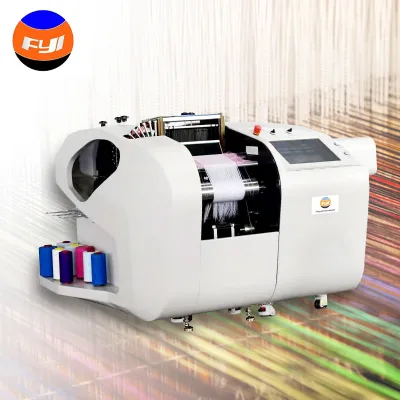
Comprehensive Sourcing Guide
Electronic Terry Towel Rapier Loom Sourcing Guide
Procuring an electronic terry towel rapier loom requires distinguishing between high-precision computerized models and standard non-computerized units based on specific production needs. The market presents a wide variance in operational capabilities, with some machines featuring micro-computer functional auto-control systems while others rely on traditional mechanical drives. Buyers must carefully evaluate whether the observed speed of 230rpm or the specific width configurations of 180-280cm align with their target output volume and fabric density requirements.
The available inventory includes distinct configurations such as the 9980e and 999E towel models, which offer different weaving material compatibilities ranging from polyester yarn to natural silk. Understanding the specific drive mechanisms, such as switched reluctance or servo motors, is critical for ensuring energy efficiency and maintenance compatibility within your existing facility. This initial selection phase determines the long-term viability of the equipment for producing high-quality terry towels with consistent loop structures.
Product Scope and Observed Listing Signals
The current market listings indicate a price range between 3000 and 58000 USD, reflecting significant differences in automation levels and component quality. While some units are listed with a minimum order quantity of one, others may require a batch of two, suggesting that suppliers often bundle specific configurations or offer flexible purchasing terms for pilot runs. Buyers should scrutinize the listed voltage requirements, as the observed data includes both 220V and 380V options, which directly impacts the electrical infrastructure needed for installation.
Observed product attributes reveal a strong emphasis on customization, with many suppliers offering tailored solutions for warp beam dimensions and heald frame counts. The presence of export packing and wooden package options indicates that international shipping is a standard consideration for these heavy industrial machines. However, the variation in observed precision levels, from normal to high precision, necessitates a clear definition of quality standards before finalizing any purchase agreement to avoid receiving equipment that does not meet specific production tolerances.
Technical Specifications to Verify
Verifying the mechanical drive system is essential, as the data shows a mix of V-belt direct mechanical drives and advanced CNC control servo motor cam looping mechanisms. The shedding motion capabilities, ranging from 12 to 18 heald frames with electronic dobby systems, directly influence the complexity of patterns that can be woven. Buyers must confirm the specific working width and overall dimensions, such as the 450x250x260cm footprint, to ensure the machine fits within their designated production floor space without requiring costly facility modifications.
The yarn compatibility specifications are equally critical, with observed ranges spanning from 500tex to 5tex for spun yarns and 10dtex to 1650dtex for filament yarns. The beat-up motion, described as crank shaft weft insertion, must be evaluated against the desired fabric density and loop height for terry towel applications. Additionally, the electric circuit design, noted as standard modularization, should be inspected to ensure ease of troubleshooting and future upgrades, as this affects the long-term operational reliability of the loom in a high-volume environment.
Compliance and Safety Documentation
Certification status varies significantly across listings, with some units explicitly holding CE and ISO9001 certifications while others list only ISO9001 or lack specific safety marks. Buyers must request valid, up-to-date certification documents for every unit under consideration, as the presence of a certification label does not guarantee that the specific serial number has been tested for current safety standards. The distinction between computerized and non-computerized models also impacts the safety protocols required, particularly regarding the interaction between the operator and the electronic control systems.
Safety documentation should also cover the electrical circuit standards and the specific voltage ratings observed in the market, which include both 220V and 380V configurations. It is imperative to verify that the machine's power supply requirements match the local grid infrastructure to prevent electrical hazards or equipment damage. Furthermore, the warranty terms, typically listed as one year, should be reviewed to understand the scope of coverage for mechanical failures and whether the supplier provides on-site technical support for compliance-related repairs.
Cost Drivers and Commercial Terms
The final cost of an electronic terry towel rapier loom is heavily influenced by the level of automation, with computerized models commanding higher prices due to their advanced micro-computer functional auto-control systems. The inclusion of electronic weft selection for 6-8 colors and the use of servo motors for looping motions are primary cost drivers that differentiate premium units from basic mechanical alternatives. Buyers should analyze the total cost of ownership, including energy consumption differences between switched reluctance and servo motor drives, rather than focusing solely on the initial purchase price.
Commercial terms often include specific packing requirements, such as export packing or wooden packages, which can add to the overall logistics cost. The observed minimum order quantities of one or two units suggest that suppliers may offer flexible terms for smaller buyers, but bulk orders might unlock better pricing or extended warranty periods. It is crucial to clarify the lead time and delivery conditions, as the standard export packing and origin from China imply significant shipping durations and potential customs duties that must be factored into the budget.
Supplier Qualification and Quality Control
Supplier qualification should begin with a rigorous review of their production standards, as the observed data indicates a mix of standard export packing and specific wooden package requirements. Buyers must verify the supplier's ability to provide the exact model numbers observed, such as the JT738-T or 999E towel, and confirm that the production line can consistently meet the specified precision levels. The presence of a one-year warranty is a baseline expectation, but the supplier's track record for honoring this warranty and providing spare parts is a more reliable indicator of long-term reliability.
Quality control processes must be validated through on-site audits or third-party inspections, focusing on the assembly of critical components like the electronic dobby and the crank shaft weft insertion mechanisms. The supplier's ability to customize the machine, as indicated by the available customization options, should be assessed to ensure they can adapt the loom to specific yarn counts and fabric requirements. Buyers should also check the supplier's history with international clients to ensure they understand the nuances of export documentation and shipping logistics for heavy machinery.
Long-Term Procurement Checks
Long-term procurement success depends on the availability of technical support and spare parts for the specific electronic and mechanical components of the loom. The observed variety in drive systems, from V-belt direct mechanical drives to CNC control servo motors, means that maintenance strategies will differ significantly between models. Buyers should establish a clear service agreement with the supplier that covers routine maintenance, software updates for the micro-computer systems, and emergency repair protocols to minimize downtime.
Monitoring the performance of the loom over time is essential to ensure it continues to meet the required precision and speed specifications. The initial setup of the warp beam and heald frames should be documented and compared against future performance data to detect any drift in quality or efficiency. Regular audits of the machine's condition, including the wear on the beating up motion and the integrity of the electronic circuits, will help maintain the high precision required for producing premium terry towels in a competitive market.
FAQs
What certifications do electronic terry towel rapier looms typically have?
Most electronic terry towel rapier looms carry CE and ISO9001 certifications to ensure safety and quality management standards. These certifications verify that the machinery meets international regulatory requirements for industrial equipment. Buyers should verify specific certification documents with suppliers to confirm compliance with local import regulations and operational safety protocols.
Can these looms handle different weaving materials like cotton or silk?
Yes, electronic terry towel rapier looms are designed to weave various materials including polyester yarn, cotton, and natural silk. The machine specifications support spun yarns ranging from 500tex to 5tex and filament yarns from 10dtex to 1650dtex. This versatility allows manufacturers to produce diverse textile products efficiently on the same equipment.
What is the typical working width for these rapier looms?
The working width for electronic terry towel rapier looms generally ranges from 180cm to 280cm. Specific models may offer widths such as 230cm or 230cm standard configurations. This range accommodates various towel sizes and production requirements, allowing factories to optimize fabric utilization and meet specific customer orders for different textile dimensions.
How is the shedding motion controlled in these computerized looms?
The shedding motion is controlled by an electronic dobby system with 12 to 18 heald frames. This computerized setup ensures precise pattern creation and consistent weaving quality. The electronic control system manages the complex lifting sequences required for terry towel production, enabling detailed designs and efficient operation without manual intervention during the weaving process.
What voltage options are available for these industrial weaving machines?
Electronic terry towel rapier looms are available in 220V and 380V voltage configurations to suit different electrical infrastructure. The 380V option is common for high-power industrial settings, while 220V suits specific regional standards. Buyers must match the machine voltage to their factory power supply to ensure safe and efficient operation of the servo motors and control systems.
What warranty is typically provided for new rapier loom machines?
New electronic terry towel rapier looms typically come with a one-year warranty covering manufacturing defects and component failures. This warranty ensures that buyers receive support for initial operational issues. It is advisable to confirm specific warranty terms with the supplier, including coverage for spare parts and technical assistance during the first year of operation.